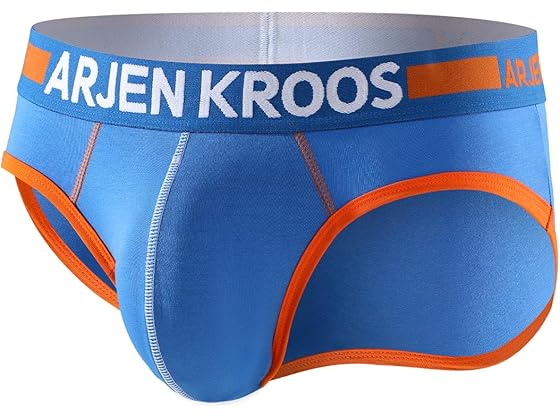

To find your men's underwear size, measure your natural waist where the waistband will sit, with a soft tape measure held snug but not tight, then match that number to the product's size chart. If you land between two sizes, size up for comfort and size down only if you want a very firm fit. That's it: one measurement, one chart, and a quick check of how the style is cut.
Below we walk you through measuring, reading a size chart, and how the right fit changes between briefs, trunks, jockstraps and thongs.
Why the right underwear size matters
Underwear is the one layer you wear all day, so small fit problems add up fast. A pair that is too small digs in at the waist and legs. A pair that is too big bunches under your trousers, rides up and gives the pouch nothing to hold on to.
- Too tight: red marks at the waistband, leg openings that pinch, a pouch that feels flat and squeezed.
- Too loose: waistband that folds or slides down, fabric that wrinkles, legs that ride up on trunks.
- Just right: the waistband lies flat, the pouch holds everything comfortably in place and you forget you're wearing it.
How to measure your waist in two minutes
You only need a soft tape measure (a piece of string and a ruler also works). Measure over bare skin or thin underwear, not over jeans.
- Find where the waistband will sit. Most of our styles are low-rise, so measure around your hips just below the belly button, not at your natural waist higher up.
- Wrap the tape around. Keep it level all the way round, parallel to the floor.
- Breathe normally. Don't pull your stomach in. The tape should sit snug, with room for one finger underneath.
- Read the number. Note it in both inches and centimetres (1 inch = 2.54 cm), because size charts use either.
- Measure twice. If the two readings differ, use the larger one.
Tip: your trouser size is only a rough guide. Trousers are often labelled smaller than the real measurement, so a fresh tape reading is always more reliable.


How to read a size chart
Every product page has its own size information, and it's worth checking each time. Sizes are not identical across styles or fabrics, so a Medium in one cut can feel different from a Medium in another.
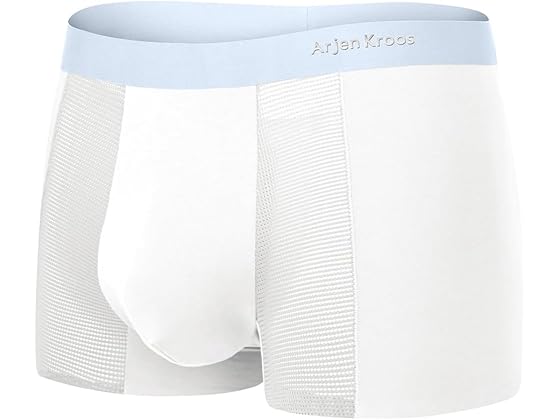
Here is a real example from our Men's Ice Silk Trunks, which list these waist ranges:
| Size | Waist (inches) |
|---|---|
| S | 26 - 29.1 |
| M | 28 - 30.7 |
| L | 30 - 33.1 |
| XL | 31.9 - 35.4 |
| XXL | 33.9 - 37 |
Notice two things. First, the ranges overlap: a 30 in waist fits M or L. Second, the product page notes that these trunks run small, so size up. That kind of note is the most useful line on any size chart, so always look for it.
- Your measurement sits in one range only: order that size.
- It sits in two ranges: pick the larger one for everyday comfort, the smaller one for a firmer hold.
- The page says "runs small" or "size up": go one size up from what the chart suggests.
How fit differs by style
The waist measurement gets you the right size. The cut decides how that size feels. Use this as a quick guide:
| Style | What to check | Between sizes? |
|---|---|---|
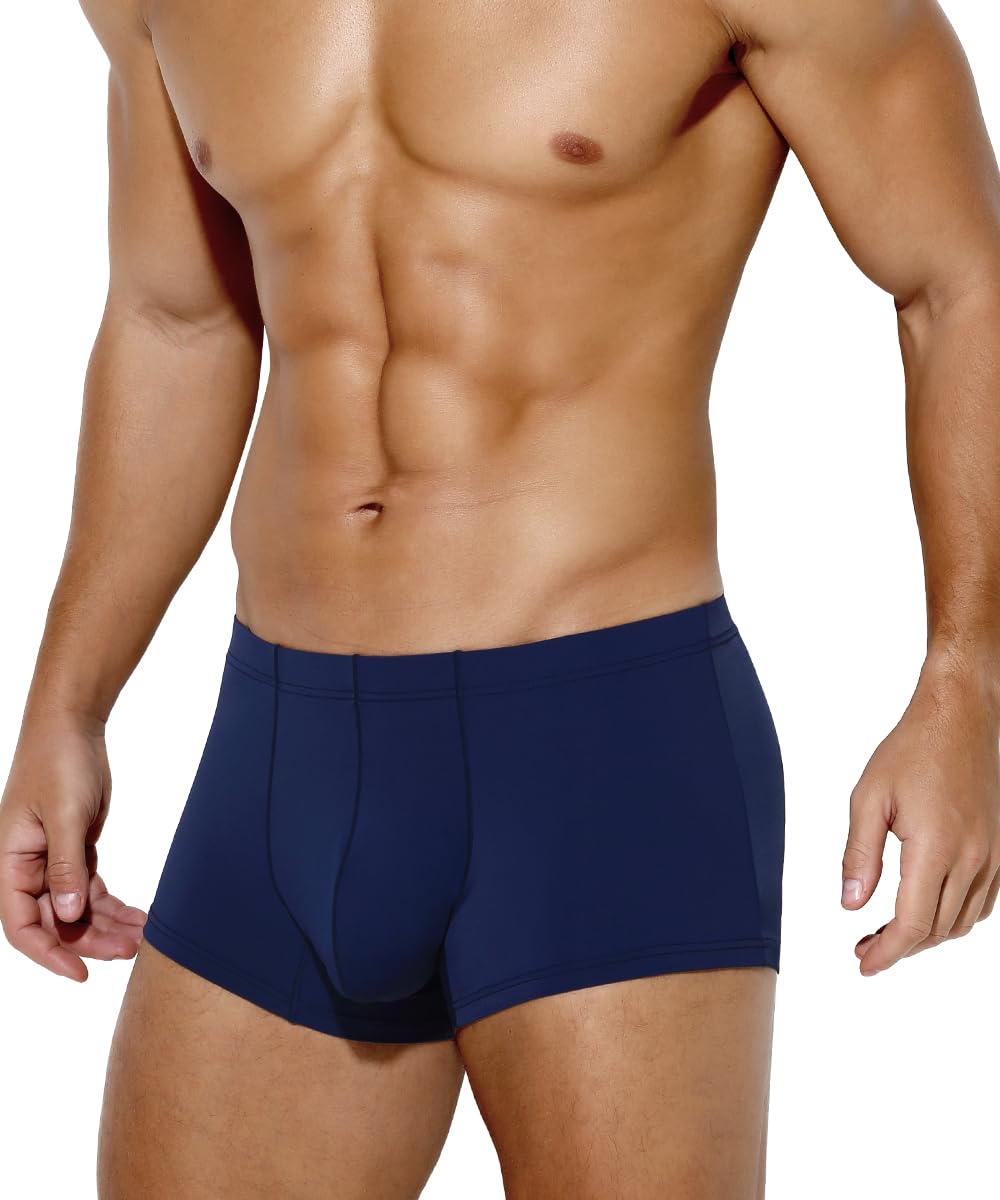
| Boxer briefs / trunks | Waist and thigh: legs should lie flat without rolling up | Size up if you have larger thighs |
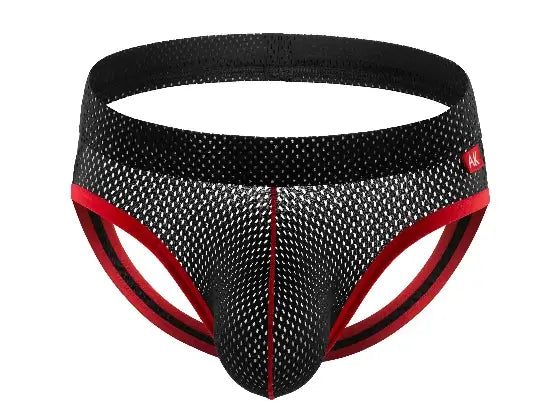
| Briefs | Leg openings: snug, no pinching at the hip crease | Size up for all-day wear |
| Jockstraps | Waistband and straps: secure but not cutting in | Size up |
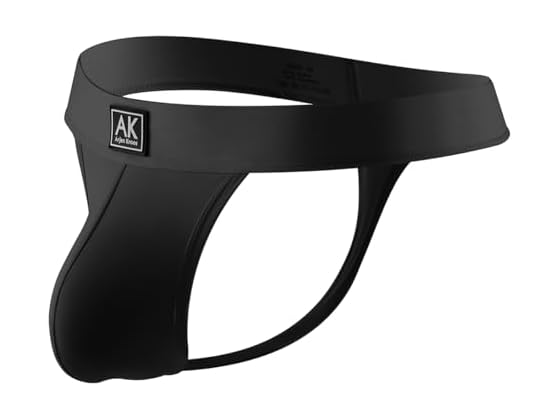
| Thongs | Pouch and back strap: supportive, no digging | Size up if you carry a little around the middle |
Fabric plays a role too. Stretchy mesh and modal forgive small differences, while firmer knits feel tighter at the same size. For a deeper look at fabrics, read our guide Mesh vs Cotton vs Modal.
Sizing jockstraps and thongs
Minimal styles have less fabric to spread out any fit issue, so getting the size right matters more. Our Men's Classic Jockstrap comes in S to 3XL with a wide elastic waistband, and the product page gives a simple rule: between sizes, size up. The same advice appears on our Low Rise T-Back Thong, made from 90% polyamide and 10% spandex, which suggests one size up if you carry a little extra around the tummy.
Want the full picture on straps, pouches and fabrics? See How to Choose a Jockstrap.


Common sizing mistakes to avoid
- Buying by habit. Your body changes, and so do cuts. Re-measure once a year.
- Measuring at the wrong height. Low-rise underwear sits lower than your belt line, so measure where it will actually sit.
- Pulling the tape too tight. A squeezed reading leads straight to a waistband that digs in.
- Ignoring the product notes. Lines like "runs small" are there for a reason.
- Judging fit after one minute. Sit, walk and bend. A good fit stays put when you move.
Shop this guide

Frequently asked questions
Should I size up or down in men's underwear?
If you are between sizes, size up. You get a more comfortable waistband and more room in the pouch. Size down only if you want a very firm, compressive feel and the fabric is stretchy.
Is my underwear size the same as my trouser size?
Not always. Trouser labels are often smaller than your real waist measurement, and low-rise underwear sits lower than trousers. Measure with a tape and use the product's chart.
Do different styles fit differently in the same size?
Yes. Trunks and boxer briefs also need to fit your thighs, while jockstraps and thongs rely more on the waistband and pouch. Check each product page for its own sizing note.
What if my order doesn't fit?
Contact us. Our product pages note that wrong sizes can be returned easily, and we're happy to help you pick the right one.
Find your perfect fit
Now that you know your measurement, browse our boxer briefs and trunks, our men's briefs or the jockstrap collection, and check each size chart before you add to cart. Every order ships in discreet packaging.