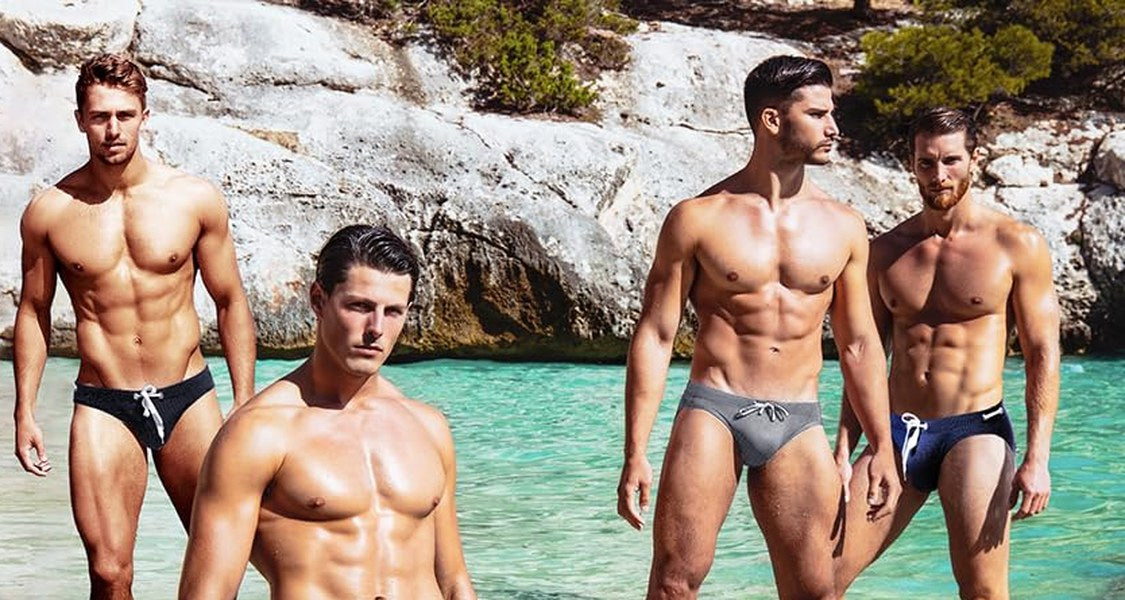

For weightlifting and leg day, wear underwear that stays flat when you squat deep and doesn't roll at the waist under a lifting belt: a mid-thigh trunk or a short-leg boxer brief in a cotton-spandex or mesh blend suits most lifters. A jockstrap is a good fit for lighter, sweaty accessory sessions, while a longer leg is the safer choice for heavy squats and lunges.
What leg day asks of your underwear
A lifting session moves your hips through a far bigger range than most cardio. A deep squat stretches fabric across the seat and thighs, a deadlift folds you at the hips, and walking lunges pull each leg opening forward and back for minutes at a time. Underwear that is fine for a jog can creep, pinch or bunch under that kind of load.
Three things matter most when you pick a pair for the weights floor:
- Stretch recovery. A little spandex lets the fabric open up at the bottom of a squat and snap back when you stand.
- A stable waistband. A wider, flat band is less likely to fold over under a belt or high-waisted training tights.
- Leg openings that stay put. Either a leg long enough to grip the thigh, or no leg at all, as with briefs and jockstraps.
Best cuts for squats, deadlifts and lunges
Different lifts favour different cuts. Use this table as a starting point and adjust to your build and the shorts you train in.
| Cut | Best for | Watch out for |
|---|---|---|
| Mid-thigh trunk | Heavy squats, lunges, sled pushes | Can feel warm in a hot gym |
| Short-leg boxer brief | Mixed sessions, deadlifts, machines | Choose the right size so the leg doesn't climb |
| Low-rise brief | Upper-body days, short accessory work | Less coverage under loose shorts |
| Jockstrap | Hot sessions, hip thrusts, plyometrics | Pair it with lined or snug shorts |
If you're unsure where to start, the mid-thigh trunk is the most forgiving option for a full leg session. Our comparison of compression shorts and boxer briefs goes deeper into when a full compression layer makes sense instead.


Fabric: cotton blend, mesh or ice silk?
Lifting sessions tend to be stop-start: a hard set, then a few minutes of rest. Fabric choice changes how the pair feels during those rests.
- Cotton with spandex feels soft and familiar. Our cotton trunks are 93.2% cotton and 6.8% spandex, with flatlock seams and a tagless label.
- Mesh lets air move through the whole garment. The mesh boxer briefs are all-over mesh with a low-rise, short-leg cut and a roomy pouch.
- Ice silk has a smooth, cool hand. It suits warm gyms and long sessions where you want something that feels light against the skin.
Whatever you pick, bring a second pair if you train before work. Changing after a sweaty session is one of the easiest comfort wins, and our gym bag checklist covers what else to pack.
Why the waistband matters under a lifting belt
A lifting belt sits right where most waistbands live. A thin band can roll down under the belt, then sit as a twisted ridge for the rest of the session. Two easy fixes:
- Choose a wider band. The cotton trunks use a 1.57-inch plush waistband designed to resist digging.
- Or choose a low-rise cut so the band sits below the belt entirely. Low-rise briefs and jockstraps work well here.
Before a heavy set, take five seconds to smooth the waistband flat and pull the leg openings down. It is a small habit that saves a lot of fidgeting between sets.
When a jockstrap makes sense on lifting days
Jockstraps leave the seat and the back of the thighs free, so there is no fabric to bunch during hip thrusts, glute bridges or box jumps. They also run cooler, which many lifters like in a busy, warm gym.
The trade-off is coverage. Wear a jockstrap under lined training shorts or snug joggers rather than loose, thin shorts. The mesh jockstrap has a high elastic waistband and straps with a 3D pouch, while the ice silk version uses a smooth, stretchy fabric that moves with different training positions.


Getting the size right for training
Sizing for the gym is slightly different from sizing for the office. Your thighs and glutes work hard and can feel fuller after a few sets, so leg openings that feel fine at home can feel tight halfway through a session.
- Measure your waist where the band will actually sit and compare it with the size chart on the product page.
- If your thighs are muscular, look at cuts with a longer leg or no leg rather than sizing the waist up.
- Do a test squat at home in the new pair before you take it to the gym.
For a broader overview of training underwear beyond lifting, read our guide to the best men's underwear for the gym.
Shop this guide

Frequently asked questions
What underwear is best for squats?
A mid-thigh trunk or a short-leg boxer brief with some stretch. The leg grips the thigh so it doesn't creep up as you go down, and the spandex lets the fabric move with you.
Should I wear compression shorts or regular underwear to lift?
Both work. Regular trunks or boxer briefs are enough for most sessions; a compression layer is a personal preference if you like a firmer, held-in feel under loose shorts.
Can I wear a jockstrap for deadlifts?
Yes. Many lifters like the open back for hip-hinge movements. Just pair it with shorts that give you the coverage you want.
How many pairs should I pack for a gym day?
Two: one to train in and a fresh pair to change into afterwards, especially if you head straight to work.
Build your lifting drawer
A couple of mid-thigh trunks for heavy leg days, a mesh pair for warm sessions and a jockstrap for accessory work will cover almost any training week. Browse the full sportswear collection, or explore boxer briefs and jockstraps for more cuts and colours. Every order ships in discreet packaging.